PCB Blog
-
MMBT3904: NPN Switching Transistor
Posted by
–
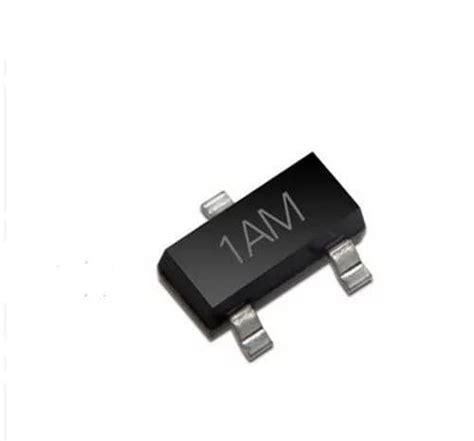
Read more: MMBT3904: NPN Switching TransistorWhat is the MMBT3904 transistor? The MMBT3904 is an NPN transistor in a small SOT-23 surface-mount package. It is a member of the BC547 transistor family and is functionally equivalent to the 2N3904 transistor. The MMBT3904 is designed for low-power applications, with a maximum collector current of 200mA and a maximum collector-emitter voltage of 40V.…
-
How Dirty PCB Can Affect System Performance
Posted by
–
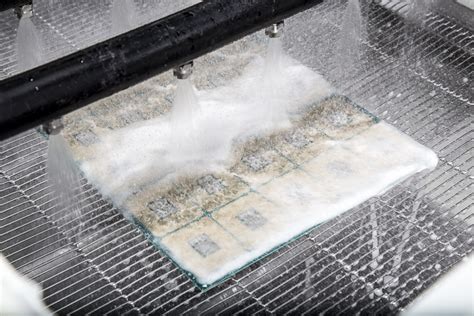 Read more: How Dirty PCB Can Affect System Performance
Introduction to PCB Cleanliness Printed Circuit Boards (PCBs) are the backbone of modern electronic devices. They provide the necessary connections and support for various components to function together as a system. However, the cleanliness of a PCB can have a significant impact on its performance and reliability. Dirt, debris, and contamination on a PCB can…
-
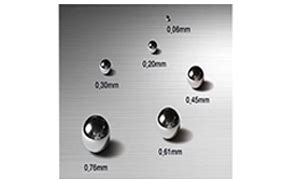 Read more: 11 Easy Steps You Need To Know To Avoid Solder Balls In SMT Manufacturing
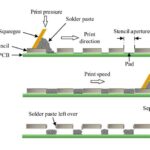
1. Optimize Solder Paste Printing Parameters Proper solder paste printing is the foundation for Avoiding Solder Balls. Key parameters to optimize include: Stencil thickness: Use a stencil thickness that matches the solder paste particle size and desired deposit height. Typically, a thinner stencil (4-5 mils) is recommended for fine-pitch components. Aperture size and shape: Ensure…
-
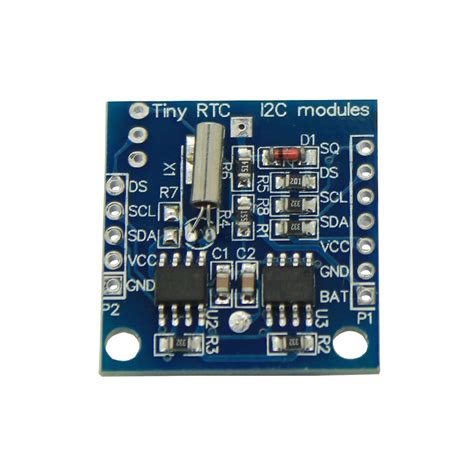 Read more: DS1307 Pinout: An in-depth Guide to the Real-Time Clock IC
What is the DS1307 RTC? The DS1307 is a low-power, full binary-coded decimal (BCD) clock/calendar plus 56 bytes of NV SRAM. It communicates via an I2C bi-directional bus and requires minimal external components, making it an ideal solution for adding real-time clock functionality to microcontroller-based projects. Key Features of the DS1307 Counts seconds, minutes, hours,…
-
What is the Buildup of a PCB?
Posted by
–
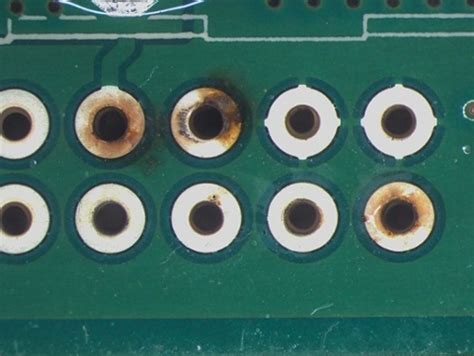 Read more: What is the Buildup of a PCB?
PCB Layer Materials A PCB consists of alternating layers of conductive and insulating materials bonded together under heat and pressure. The conductive layers are typically copper foil, while the insulating layers are usually made of a glass-reinforced epoxy laminate called FR-4. Copper Foil Copper is used for the conductive layers because of its excellent electrical…
-
What is Outer Annular Ring (OAR)?
Posted by
–
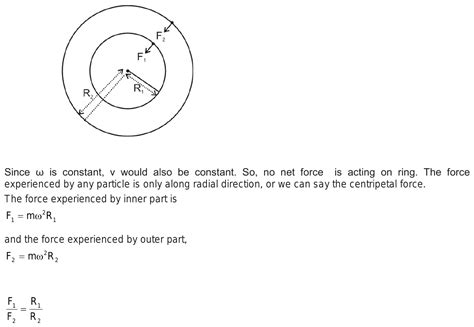 Read more: What is Outer Annular Ring (OAR)?
Definition and Purpose of the Outer Annular Ring An Outer Annular Ring is a circular, ring-shaped component that is typically used in conjunction with bearings, seals, and other rotating parts. The primary purpose of an OAR is to provide a smooth, wear-resistant surface for these components to interact with, thereby reducing friction and increasing the…
-
PCB Events & Workshops
Posted by
–
 Read more: PCB Events & Workshops
Introduction to PCBWorkshops PCBWorkshops are specialized events and workshops designed to provide participants with hands-on experience and knowledge in the field of printed circuit board (PCB) design, fabrication, and assembly. These workshops cater to a wide range of audiences, including students, hobbyists, engineers, and professionals in the electronics industry. The primary goal of PCBWorkshops is…
-
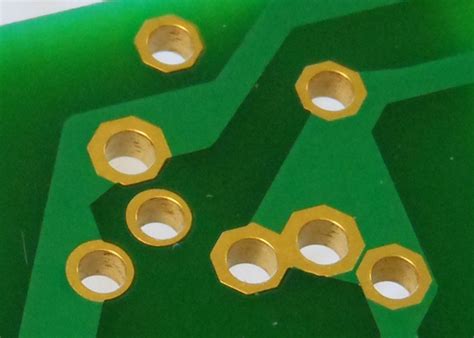 Read more: Drilled Holes in the PCB – all you need to know to avoid surprises.
What are PCB Drilled Holes? PCB drilled holes, also known as through-holes, are openings drilled through the printed circuit board (PCB) to allow for the connection of components on both sides of the board. These holes are essential for mounting and soldering various electronic components, such as resistors, capacitors, and integrated circuits (ICs), to the…
-
Types of PCB Drilled Holes
Posted by
–
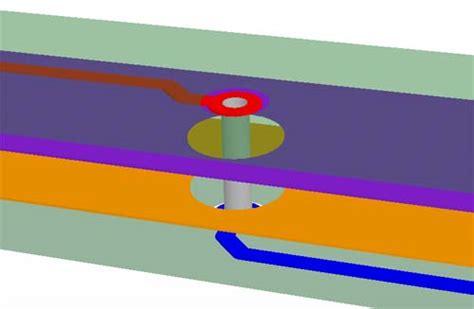 Read more: Types of PCB Drilled Holes
Introduction to PCB Holes Printed Circuit Boards (PCBs) are essential components in modern electronics, providing a platform for electrical connections and mechanical support for various components. One crucial aspect of PCB design and manufacturing is the creation of holes. PCB holes serve multiple purposes, including component mounting, electrical connectivity, and heat dissipation. In this article,…
-
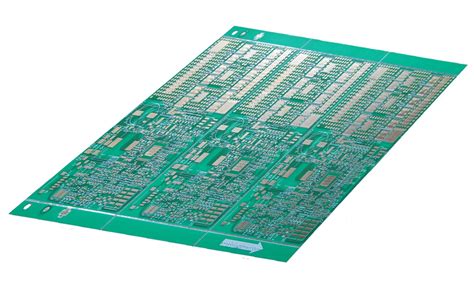 Read more: IMS pool PCB forms the basis of the “vlak” ambient light.
Introduction to IMS-PCB-vlak technology In recent years, the lighting industry has seen a significant shift towards energy-efficient and environmentally friendly solutions. One such innovation is the use of Insulated Metal Substrate (IMS) Printed Circuit Boards (PCBs) in the production of ambient lighting, particularly in the form of “vlak” or flat panel lights. This article will…