PCB Blog
-
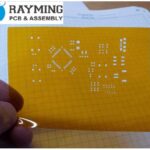
Read more: Till what resolution of components can be printed with the Rayming stencil-mate?
Introduction to Printing Resolution Printing resolution is a crucial factor when it comes to the quality and precision of printed electronic components. In the world of electronics manufacturing, the ability to print fine details and small components accurately is essential for creating high-performance devices. The Rayming stencil-mate is a popular tool used in the industry…
-
Copper Distribution on a Panel
Posted by
–
 Read more: Copper Distribution on a Panel
Why is Copper Distribution Important? Copper distribution on a panel is critical for several reasons: Electrical Conductivity: Copper is an excellent conductor of electricity, making it ideal for creating conductive paths on PCBs. Even distribution ensures that electrical signals can travel efficiently and reliably throughout the panel. Heat Dissipation: Copper also has good thermal conductivity…
-
Embedded World 2024 – Your Personal Ticket
Posted by
–
 Read more: Embedded World 2024 – Your Personal Ticket
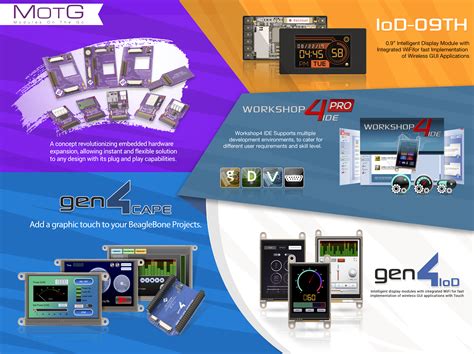
Introduction to Embedded World Embedded World is the leading international trade fair for embedded systems, showcasing the latest trends, innovations, and technologies in the industry. The event takes place annually in Nuremberg, Germany, attracting thousands of exhibitors, visitors, and experts from around the globe. Embedded World 2024 promises to be an exciting and informative event,…
-
 Read more: Placer camera-assisted manual pick and place machine
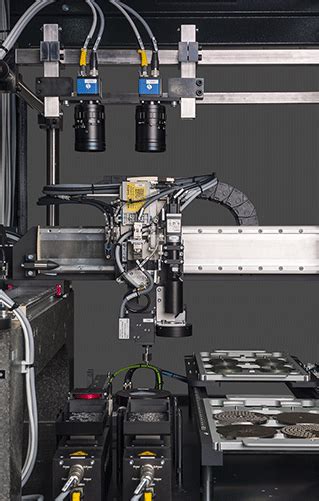
Introduction to Placer-assisted pick-and-place In the world of electronics manufacturing, pick-and-place machines have become an essential tool for accurately and efficiently placing components onto printed circuit boards (PCBs). These machines have revolutionized the industry by automating the process of component placement, significantly reducing human error and increasing production speeds. However, traditional fully-automated pick-and-place machines can…
-
Rayming-reflow-pilot door open
Posted by
–
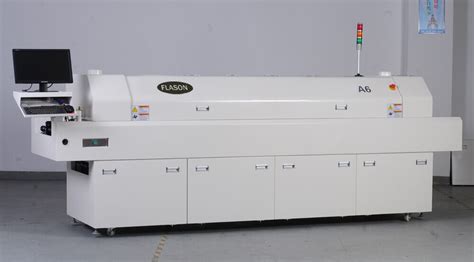 Read more: Rayming-reflow-pilot door open
What is the Rayming-reflow-pilot? The Rayming-reflow-pilot is an advanced reflow soldering machine that is widely used in the electronics manufacturing industry. It is designed to precisely control the temperature profile during the soldering process, ensuring optimal results for various types of PCBs and components. Key features of the Rayming-reflow-pilot include: Accurate temperature control Multiple heating…
-
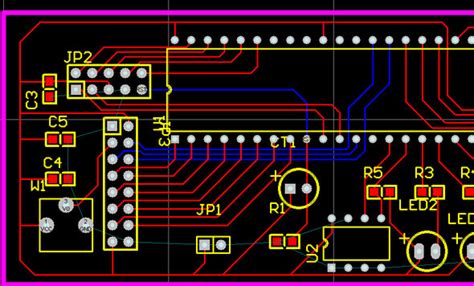 Read more: 10 Rules for Better Data – Avoid PCB Design Issues
Introduction to PCB Design Rules Printed circuit board (PCB) design is a complex process that requires careful planning and attention to detail to ensure the final product functions as intended. To help avoid common issues and create high-quality PCBs, it’s important to follow a set of established design rules. In this article, we’ll explore 10…
-
How do you prevent Solder Escape/Wick?
Posted by
–
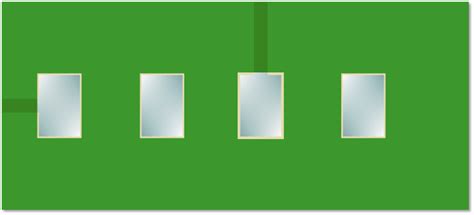 Read more: How do you prevent Solder Escape/Wick?
Understanding Solder Escape What is Solder Escape? Solder escape, also known as Solder Wicking, is a phenomenon that occurs during the soldering process when molten solder is unintentionally drawn away from the intended connection point. Instead of forming a strong and reliable solder joint, the solder travels along component leads, PCB traces, or other conductive…
-
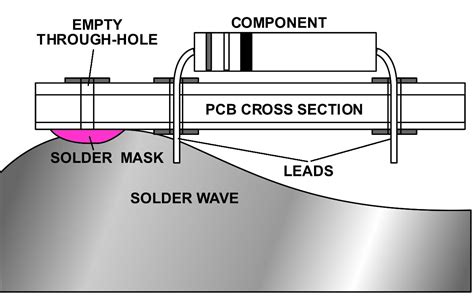 Read more: Tips & Tricks: Avoiding Solder Escape/Wick during Reflow
What is Solder Escape? Solder escape, also known as solder wicking, is a common issue in Electronic Assembly where molten solder flows or “wicks” away from the intended joint, along the component lead or PCB trace. This can result in insufficient solder at the joint, leading to poor electrical connections, reduced mechanical strength, and potential…
-
Edge Connectors with Gold Surface
Posted by
–
 Read more: Edge Connectors with Gold Surface
Introduction to Gold-Plated Edge Connectors Gold-plated edge connectors are a type of electrical connector commonly used in various electronic devices, such as computers, telecommunications equipment, and industrial machinery. These connectors are designed to provide a reliable and efficient means of connecting printed circuit boards (PCBs) to other components or systems. The gold plating on the…
-
Selecting the Right Surface Finish for Your PCB
Posted by
–
 Read more: Selecting the Right Surface Finish for Your PCB
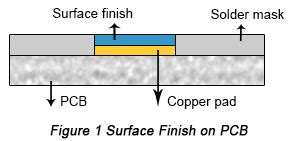
What is a PCB Surface Finish? A PCB surface finish is a coating applied to the exposed copper traces and pads on a printed circuit board. Its primary purpose is to protect the copper from oxidation and corrosion, which can occur due to exposure to air, moisture, and other environmental factors. Additionally, the surface finish…